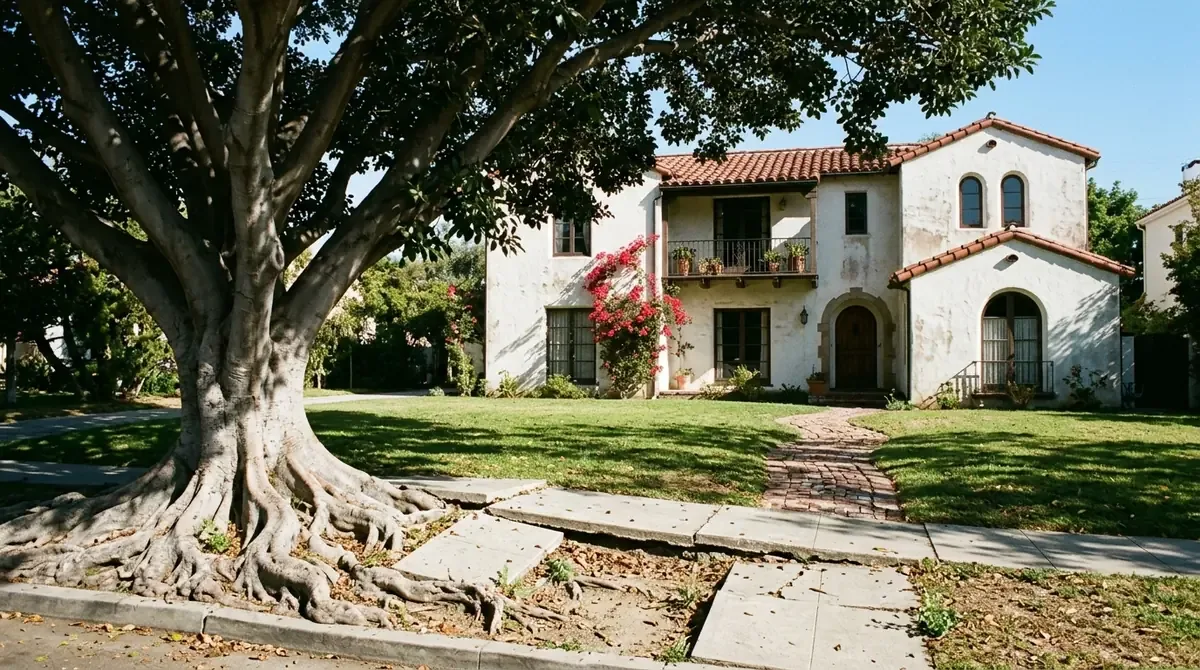
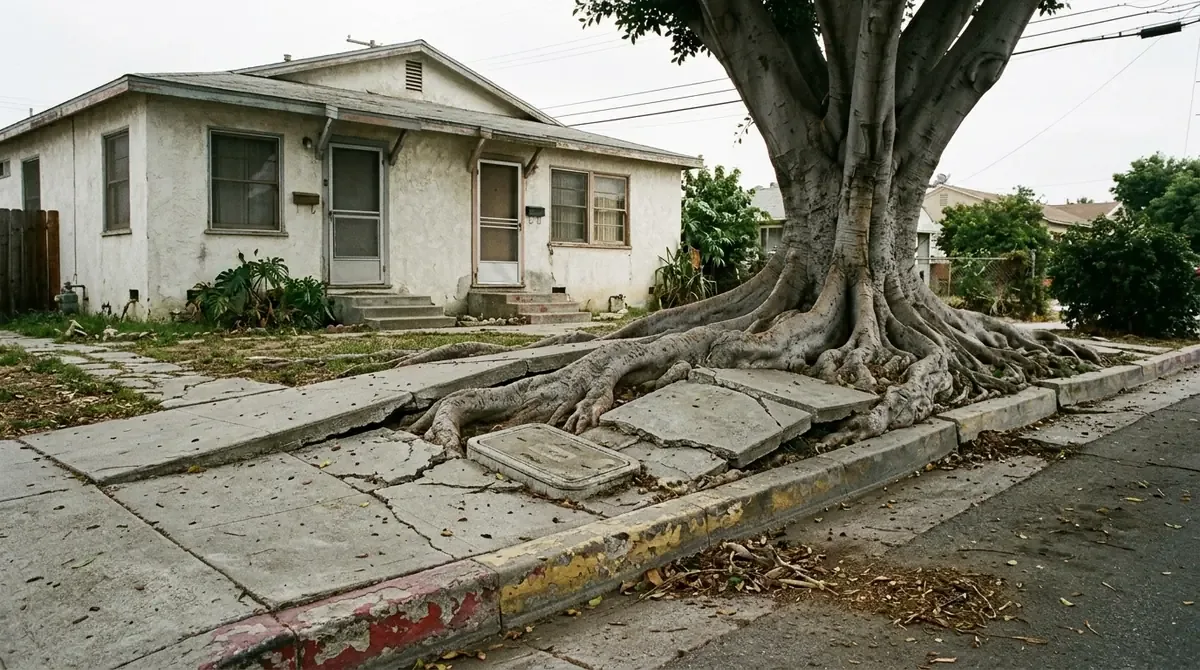
Rose Park in Long Beach is known for its bungalow courts and Craftsman homes near the Fourth Street 'Retro Row' shopping strip.
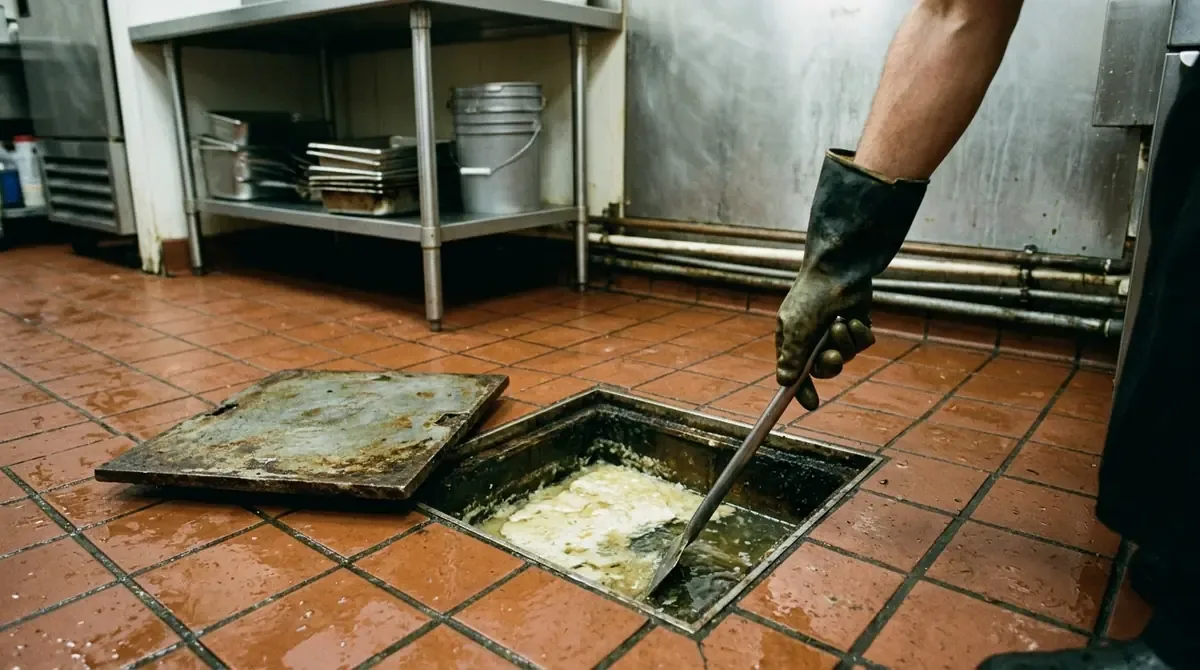
Rose Park is built on bungalow-court plumbing shared across multiple small units — a real factor in how quickly drains clog and what it takes to clear them for good. Plumbing that was fine for decades starts showing its age here in specific, predictable ways, and knowing the pattern is what separates a fix that lasts from one that doesn't.
Drain Guys services Rose Park as part of our coverage across all of Long Beach, CA — same trucks, same equipment, same same-day availability as every other neighborhood we work in.
Storm drain problems and sewer problems look similar from the surface but come from completely different systems, and clearing the wrong one wastes your money without fixing the flooding. Here's how to sort out what you're actually dealing with:
| Symptom | Likely Cause | What We Do |
|---|---|---|
| Property floods during heavy rain | Blocked catch basin, curb drain, or property storm line full of leaves and silt | Catch basin and storm line debris/silt removal |
| Standing water pooling near a curb drain | Curb drain inlet clogged with leaves, trash, or sediment | Curb drain clearing and flush |
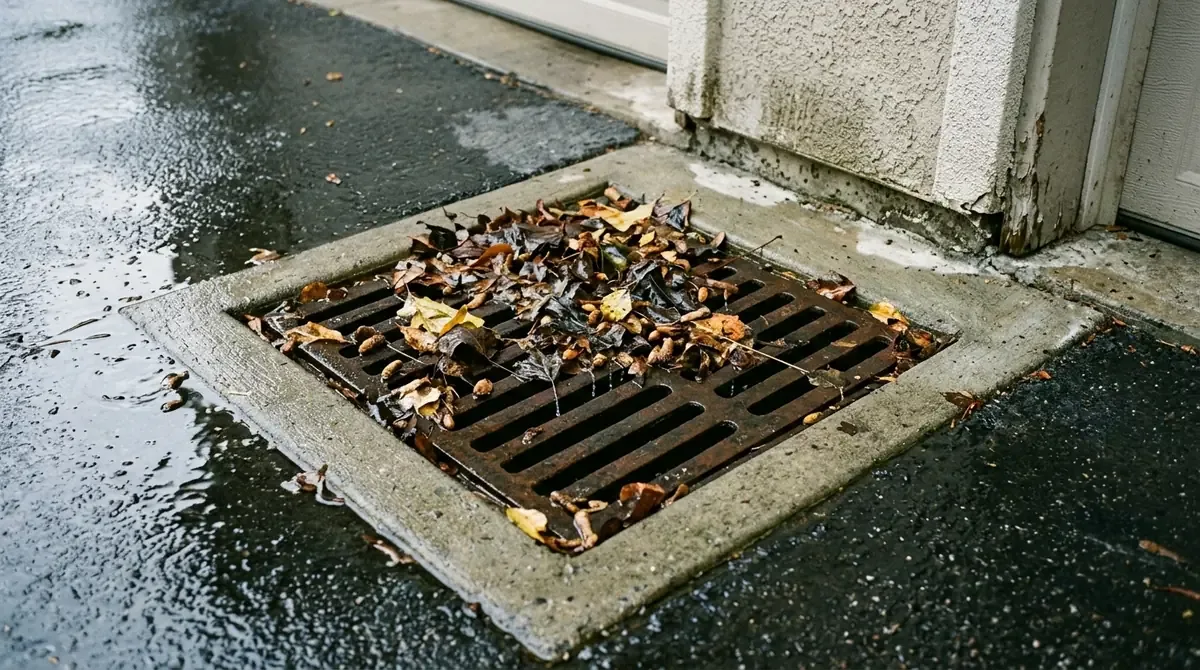
| Debris visibly clogging a catch basin grate | Leaves, mulch, dirt, and trash accumulated in the basin | Manual debris removal + hydro jetting of the outlet line |
| Yard or area drain draining slowly, even in light rain | Silt and root intrusion narrowing the storm line | Camera inspection and hydro jetting |
| Heavy silt buildup after a storm | Sediment washed in from landscaping or street runoff settling in the basin | Sediment removal and basin cleanout |
This is the single most common point of confusion we run into on storm drain calls, so we'll say it plainly: your storm drain system and your sanitary sewer system are two completely separate networks, and mixing them up leads to the wrong fix. Your sanitary sewer line carries wastewater from your sinks, toilets, and showers to the municipal sewer main, and eventually to a treatment plant. Your storm drain system does something entirely different — it moves rainwater and surface runoff off your property, away from your foundation, and into the street or a catch basin, which then feeds into Long Beach's municipal stormwater system. That municipal system is separate from your home's sanitary sewer — we handle the property-side drains that feed into it, including catch basins, curb drains, yard drains, and the underground pipe that connects them. A catch basin is the below-grade box, usually covered by a metal grate, that collects runoff from a low point on your property — a driveway apron, a side yard, a parking area — before routing it into a pipe. Over months of dry weather between rains, leaves, dirt, mulch, and trash quietly accumulate in that basin and in the pipe leading away from it. Nobody notices until the first real storm hits and the water has nowhere to go. Understanding this distinction matters because a plumber who only thinks in terms of sanitary sewer clogs may misdiagnose a flooding driveway as a sewer backup, or vice versa — and treating one system like the other doesn't fix anything.
We start by pulling the grate and physically inspecting the catch basin — in most cases, the flooding is caused by a visible buildup of leaves, silt, and debris sitting right in the basin, and manual removal of that material solves a large share of the calls we run. If the basin itself is clear but water still isn't draining, the blockage is further down the line, and that's where hydro jetting comes in. A high-pressure water jet is fed through the outlet pipe running from the catch basin to the street or municipal connection, and it scours compacted silt, root intrusion, and years of accumulated sediment off the full diameter of the pipe wall — not just punching a channel through the middle of the clog the way a cable snake would. For curb drains and yard drains, we follow the same logic: clear the visible debris at the inlet first, then jet the line if the blockage extends past what we can reach by hand. On basins with heavy sediment loads — common on properties near unpaved slopes, older landscaping, or homes that haven't had the drain serviced in several seasons — we do a full cleanout, removing accumulated silt from the base of the basin so it has full capacity again before the next storm. If we suspect a collapsed section, offset joint, or root intrusion deep in the line, we can run a camera to confirm exactly what's happening before recommending anything beyond a standard clearing.
Southern California's rain doesn't come often, but when it does — typically clustered between November and March — it tends to arrive in short, intense bursts after long dry stretches, which is exactly the pattern that overwhelms a neglected storm drain. A catch basin that's been slowly filling with leaf litter and dirt since last spring has no reserve capacity left when three inches of rain fall in a day. The fix is straightforward: have your catch basins, curb drains, and yard drains inspected and cleared before the rainy season starts, not after the first flood. This is especially relevant in Long Beach neighborhoods with mature tree canopy — leaf litter is the single biggest contributor to catch basin blockages we see citywide. A pre-season cleanout typically takes less time and costs less than an emergency call during an active storm, and it means one less thing to worry about when the forecast turns. We also recommend a mid-season check after the first couple of significant storms, since the initial rain often washes a fresh load of debris and sediment into basins that were clear in the fall.
We'd rather tell you upfront than charge you for a service that won't fix your flooding. Not every case of water pooling on a property is a clogged storm drain. If your yard floods in a spot that has no catch basin, curb drain, or yard drain nearby, the issue is more likely negative grading — the ground sloping toward your house instead of away from it — or a low spot with nowhere for water to go at all. Similarly, water intrusion at a foundation or through a wall during rain is frequently a grading, waterproofing, or gutter/downspout issue rather than a drain clog, since it doesn't involve an underground pipe or basin at all. These are legitimate problems, but they're outside what a drain clearing service can fix — grading corrections and foundation waterproofing are landscaping or general contractor work. When we're on-site and it's clear the flooding is a grading issue rather than a blocked drain, we'll tell you directly instead of running a snake or jetter through a line that was never the problem, and we'll point you toward the type of contractor who actually handles it.
These are general market ranges to help you budget for storm drain and catch basin service — your exact price depends on the amount of debris or silt involved, how many basins or drains need clearing, and whether hydro jetting is required. Call (844) 213-2779 for a free, specific estimate before any work begins.
| Service | Typical Range |
|---|---|
| Catch basin debris removal (single basin) | $200 – $350 |
| Curb drain / yard drain clearing | $225 – $400 |
| Hydro jetting of storm drain line | $350 – $550 |
| Pre-season multi-basin cleanout (whole property) | $400 – $550 |
Ranges shown are typical market pricing for reference only, not a quote. Every job gets a free, upfront estimate before we start.
They're two entirely separate systems. Your sewer line carries wastewater from sinks, toilets, and showers to the municipal sewer main. Your storm drain system — catch basins, curb drains, and yard drains — carries rainwater and surface runoff off your property into Long Beach's municipal stormwater system. Long Beach's municipal stormwater system is separate from your home's sanitary sewer, and we handle the property-side drains that feed into it. Clearing one won't fix a problem in the other, so it's worth confirming which system is actually causing your issue before any work starts.
Most of the time it's a catch basin, curb drain, or yard drain clogged with leaves, dirt, or silt that's built up since the last rainy season — the basin simply has nowhere to send the water. Less commonly, it's a grading issue where the ground slopes toward the flooded spot instead of away from it, which isn't a drain problem at all. We inspect the actual basin and line first so you're not paying to clear a drain that was never the cause.
If water is backing up inside your home from a sink, tub, or toilet, that's your sanitary sewer system. If water is pooling outside during or after rain — in a driveway, yard, or near a curb — that's almost always the storm drain system: a catch basin, curb drain, or yard drain. The two rarely overlap, and figuring out which one you're dealing with is the first step before any clearing work.
A neglected catch basin or curb drain accumulates leaves and silt for months between rains with no visible sign of a problem — until a storm hits and the water has nowhere to go, sometimes pooling against a foundation or flooding a driveway. Long Beach's rain pattern tends to arrive in short, heavy bursts after long dry stretches, which is exactly the scenario that overwhelms a basin that hasn't been cleared. Routine maintenance before the rainy season prevents that flooding rather than reacting to it after the fact.
Typical storm drain and catch basin clearing in Long Beach runs roughly $200 to $550 depending on how much debris or silt has built up, how many basins or drains are involved, and whether hydro jetting is needed to clear the line beyond the basin itself. Call (844) 213-2779 for a free, no-obligation estimate specific to your property.
Manual removal clears visible leaves, dirt, and trash sitting in the basin itself, which solves a large share of flooding calls on its own. Hydro jetting goes further — a high-pressure water jet scours the full diameter of the outlet pipe running from the basin, removing compacted silt and root intrusion that manual cleanout can't reach. We check the basin first and only recommend jetting if the blockage extends into the line.
No. Chemical drain cleaners are designed to break down organic waste in sanitary sewer lines and have no effect on the leaves, dirt, silt, and trash that clog a catch basin or storm line. Storm drain blockages are physical debris and sediment, and they need to be physically removed or jetted out — there's no chemical shortcut for it.
Keeping the grate over your catch basin or curb drain clear of leaves and debris after windy days helps, especially during fall when leaf drop is heaviest. But most of the buildup that causes flooding happens below the grate, inside the basin and line, where it isn't visible from the surface — that part needs a professional cleanout, ideally before the rainy season starts.
For most Long Beach properties, once a year before the rainy season — typically late summer through early fall — is enough to keep basins and curb drains running at full capacity through winter storms. Properties with heavy tree canopy, like parts of Belmont Shore, Naples, or Bixby Knolls, often benefit from a mid-season check as well, since the first storms of the year wash a fresh load of leaf litter and sediment into basins that were clear in the fall.
Yes — we clear storm drains, catch basins, and curb drains for both residential and commercial properties across Long Beach, including multi-basin properties like apartment complexes and parking areas that need a full cleanout ahead of the rainy season. Call (844) 213-2779 to describe your property and get a specific estimate.
Same-day service, free estimates, serving Rose Park and every Long Beach neighborhood.
Call (844) 213-2779