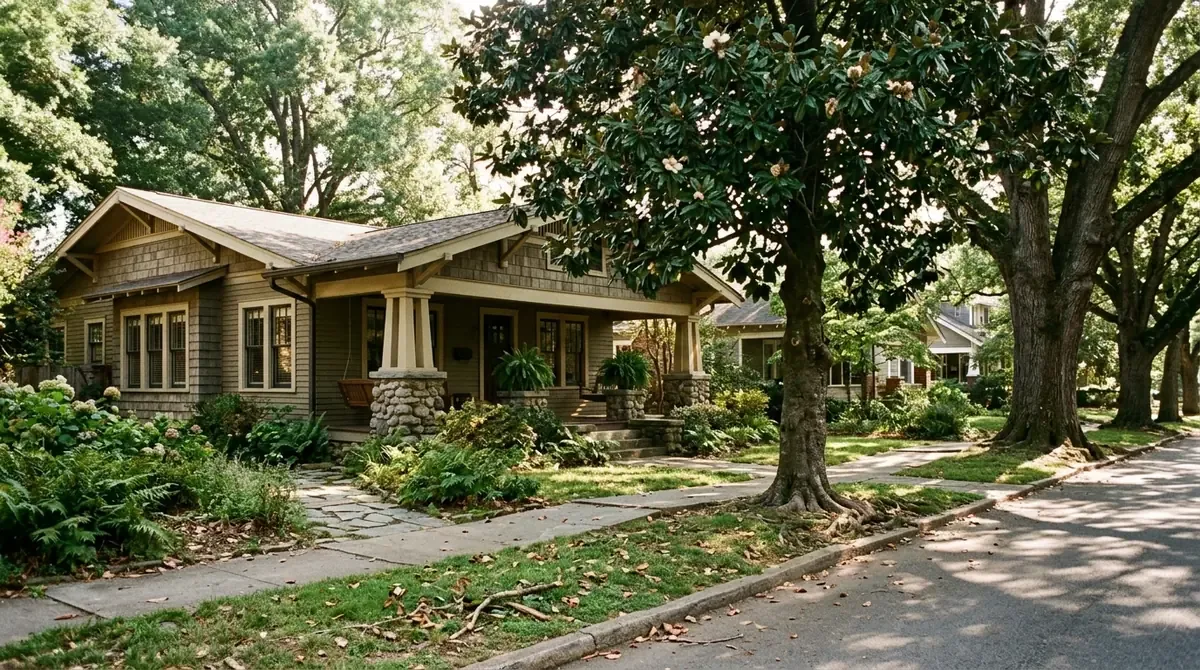
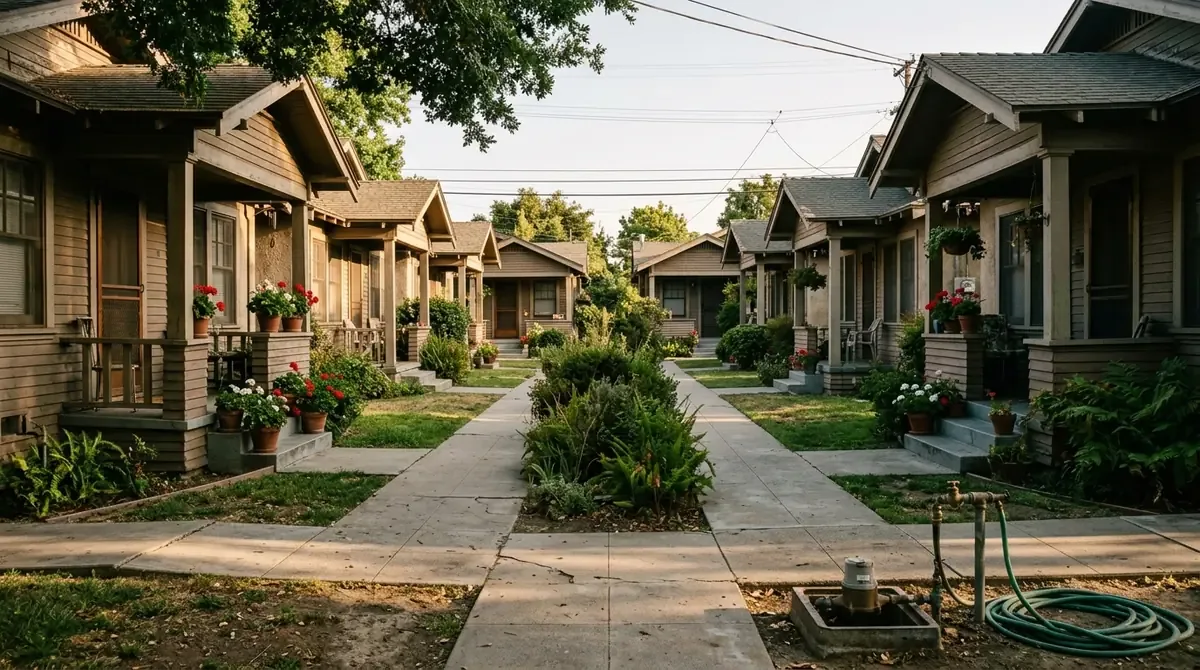
California Heights is a former streetcar suburb of bungalow-style homes with a walkable business strip along Atlantic Avenue in Long Beach.
California Heights is built on streetcar-era bungalow plumbing, often original to the 1920s — a real factor in how quickly drains clog and what it takes to clear them for good. Plumbing that was fine for decades starts showing its age here in specific, predictable ways, and knowing the pattern is what separates a fix that lasts from one that doesn't.
Drain Guys services California Heights as part of our coverage across all of Long Beach, CA — same trucks, same equipment, same same-day availability as every other neighborhood we work in.
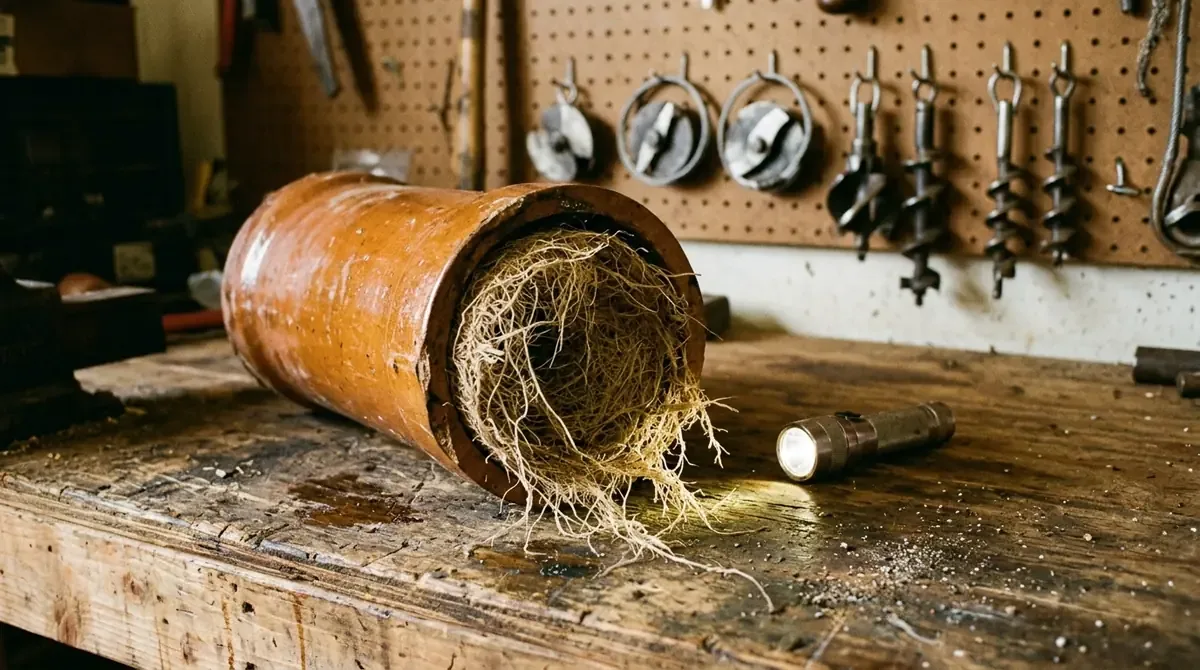
Root intrusion rarely announces itself with a single dramatic event — it builds over months or years as a hairline root finds a joint, then thickens into a mass that traps paper and grease. Here's how to read the warning signs and match them to the right severity of response:
| Symptom | Likely Cause | What We Do |
|---|---|---|
| Slow drainage that gets worse over weeks, not days | Early-stage root hair mass narrowing pipe diameter at a joint | Camera inspection to locate and measure the intrusion, then mechanical cutting |
| Recurring clog in the same fixture or floor drain every few months | Root mass regrowing at the same joint after a partial cut | Hydro jetting to clear the full pipe wall, not just punch a channel |
| Gurgling, bubbling, or sewage odor in the yard near mature trees | Roots have breached the pipe and are drawing sewage-laden moisture through the crack | Camera inspection to assess pipe condition, not just clear the clog |
| Sunken or unusually green, lush patch of lawn along the sewer line's path | Chronic leakage from a root-cracked joint feeding the soil above it | Camera inspection and a repair estimate — cutting alone won't stop the leak |
| Complete backup with no flow at all through the main line | Roots have fully occluded the pipe, often combined with a bellied or offset section | Emergency mechanical clearing followed by camera inspection before any long-term plan |
A root-cutting head on a motorized cable — sometimes a spinning blade, sometimes a chain-style flail — shreds the root mass inside the pipe and restores flow the same visit. It's the fastest way to get a backed-up line moving again, and for a line with a small, early-stage intrusion it may be all that's needed for a while. The tradeoff is that mechanical cutting clears a channel through the root mass rather than stripping it off the pipe wall entirely, so the cut roots tend to grow back faster than a line that's been jetted clean. We use cutting as the first move on an active backup, then talk through whether jetting or a longer-term plan makes sense once the line is flowing again.
Hydro jetting pushes water at high pressure through a nozzle that pulls itself down the pipe, and for roots specifically, certain nozzle heads are built to shear root strands off the interior pipe wall rather than just cut a hole through the center mass. That distinction matters: a line that's been jetted clean has a full-diameter opening with no root stubble left behind to catch paper and grease, while a line that's only been cut still has ragged root ends inside it that regrow quickly and re-snag debris within weeks. Jetting is more effective on root intrusion in PVC and reasonably sound clay pipe. In cast iron with heavy internal corrosion, we're more conservative with pressure and technique, because aggressive jetting can dislodge scale and rust flakes inside a pipe that's already thin — that's a judgment call we make on-site after camera inspection, not something we apply blanket-style to every line.
Once a line is mechanically cleared, foaming root-control treatments containing dichlobenil or copper-based compounds can be applied through a cleanout to coat the pipe interior and slow regrowth at root entry points, without harming the tree itself. These treatments are a maintenance tool, not a cure — they don't fix a cracked pipe or close an open joint, and they need to be reapplied on a schedule (commonly every six to twelve months for a line with an aggressive root source nearby) to stay effective. We're straightforward about this with customers: root-control chemicals buy you time and stretch out the interval between cutting visits, but on a line with a genuinely broken joint or a collapsed section, no chemical treatment substitutes for a physical repair. If a customer wants to go the maintenance route on a line that's still structurally sound, we'll walk through dosing and reapplication timing rather than pushing straight to repair.
Cutting and jetting clear the pipe; they don't fix a pipe that roots have already cracked, separated at the joint, or bellied under the weight of soil settlement. Camera inspection is what tells the difference — if we see a root mass growing through an open crack or a joint that's pulled apart rather than roots simply following the pipe's original seams, repeated cutting is a temporary patch on a line that will keep backing up. In those cases, trenchless options like pipe bursting or CIPP (cured-in-place pipe) lining rebuild the pipe from the inside without full excavation of the yard, driveway, or hardscape above it — a meaningful advantage in Long Beach neighborhoods where laterals often run under mature landscaping, patios, or additions built long after the original plumbing went in. We only recommend trenchless repair when the camera inspection shows actual structural damage, not as an upsell on a line that just needs clearing.
Root removal costs more than a routine drain cleaning because it requires stronger cutting equipment, often a camera inspection to confirm the pipe is structurally sound, and sometimes repeat treatment to keep the line clear. These are general market ranges, not quotes — your price depends on how far the roots have grown, pipe material, and access. Call (844) 213-2779 for a free, specific estimate before any work begins.
| Service | Typical Range |
|---|---|
| Mechanical root cutting (single access point) | $300 – $500 |
| Hydro jetting for root removal (residential lateral) | $450 – $700 |
| Camera inspection with root/pipe condition assessment | $175 – $450 |
| Trenchless repair (pipe bursting or CIPP lining, cracked/collapsed sections) | $3,500 – $12,000+ |
Ranges shown are typical market pricing for reference only, not a quote. Every job gets a free, upfront estimate before we start.
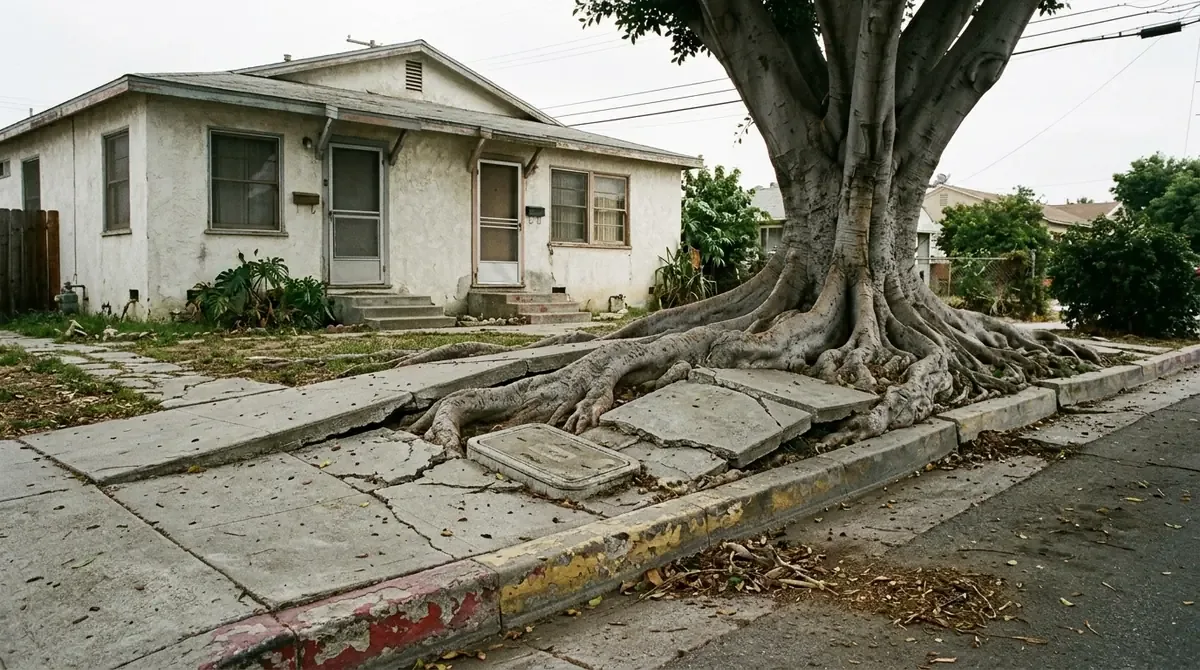
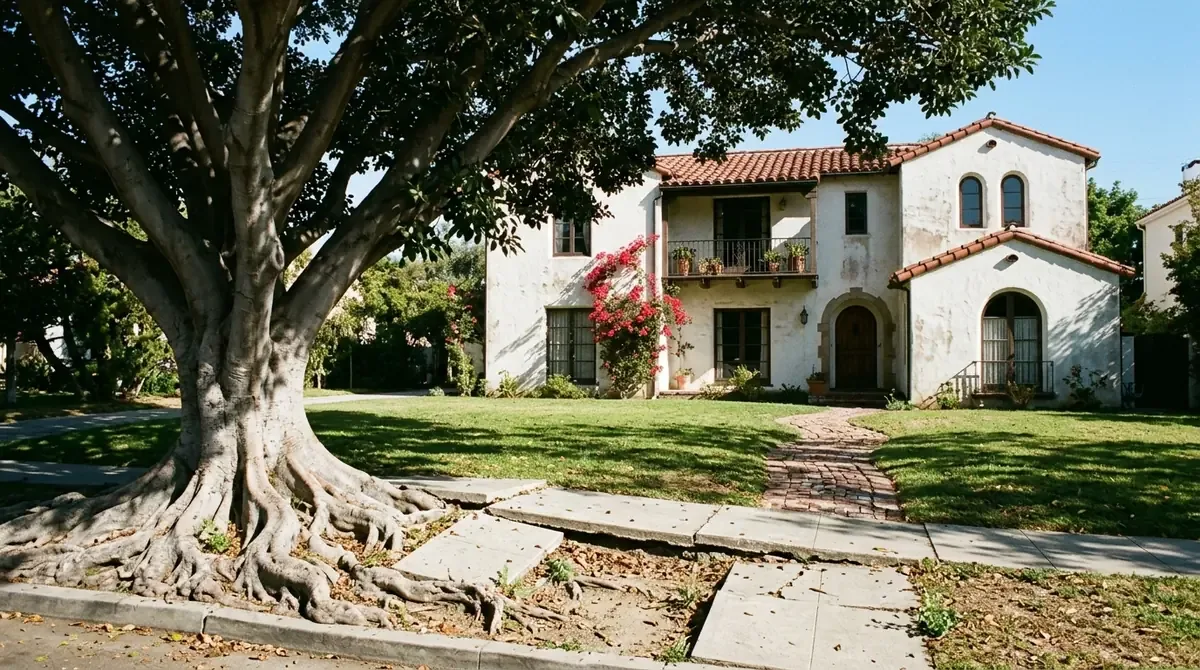
Sewer pipes carry a steady supply of water, nutrients, and warmth, which makes them attractive to nearby root systems — especially through any gap, crack, or loose joint. In Long Beach, mature ficus, camphor, and magnolia trees are the most common culprits, and because so many older neighborhoods have vitrified clay or cast iron laterals with joints every few feet, there are plenty of entry points for a root to find.
Foaming root-control treatments applied through a cleanout can slow regrowth at the points where roots enter the pipe, and they're a legitimate part of an ongoing maintenance plan once a line has been mechanically cleared. They don't dissolve an existing root mass on their own and they won't fix a cracked pipe — think of them as extending the time between cutting visits, not a one-time cure.
No. Standard chemical drain cleaners are formulated for organic clogs like hair and grease and have essentially no effect on root masses. Repeated use can also corrode older cast iron pipe common in Long Beach, which makes an existing root problem worse by giving roots more corroded surface to grab onto. Root intrusion needs mechanical cutting, hydro jetting, or a dedicated root-control treatment — not standard drain cleaner.
Hydro jetting is one of the most effective tools against root intrusion because it shears root strands off the pipe wall instead of just cutting a channel through the mass, which means the line stays clear longer. It's well-suited to PVC and sound clay pipe. In cast iron with significant internal corrosion, we adjust pressure and nozzle choice based on what the camera inspection shows, since aggressive jetting on a badly corroded pipe can dislodge scale that's holding a weak section together.
If a camera inspection shows the pipe itself is sound and roots are simply finding their way through joints, a combination of thorough hydro jetting and scheduled root-control treatment can keep the line clear for years at a time. If the inspection shows the pipe has actually cracked, separated at a joint, or bellied, cutting and jetting will only ever be a temporary fix — trenchless pipe bursting or CIPP lining rebuilds the damaged section and removes the entry point roots were using in the first place.
Scheduled root-control treatment after cutting or jetting is the most direct prevention step. Beyond that, knowing where your lateral runs and avoiding new plantings of aggressive-rooting species like ficus directly over or near that path helps prevent new problems, and periodic camera inspection catches a developing intrusion before it causes a backup.
Root-aggressive species like ficus, camphor, and some magnolia varieties should be planted well clear of the sewer lateral's path — as a general guideline, keep large trees at least 10 feet from underground pipe, and choose slower, less invasive root systems for anything planted closer. On tight Long Beach lots where that kind of setback isn't realistic, a physical root barrier installed between the tree and the line is worth discussing before planting rather than after roots have already found their way in.
A large share of housing in neighborhoods like Belmont Heights, Wrigley, Bixby Knolls, and California Heights was built before 1960, and many of those homes are still running their original clay tile or cast iron sewer laterals. Pipe from that era wasn't installed with modern joint sealing, so root intrusion is less a matter of if than when. If you're not sure how old your lateral is or when it was last inspected, a camera inspection gives you a clear answer. Call (844) 213-2779 to schedule one.
Same-day service, free estimates, serving California Heights and every Long Beach neighborhood.
Call (844) 213-2779