(844) 213-2779
DRAIN GUYS
California Heights · Long Beach, CA

Hydro Jetting in California Heights

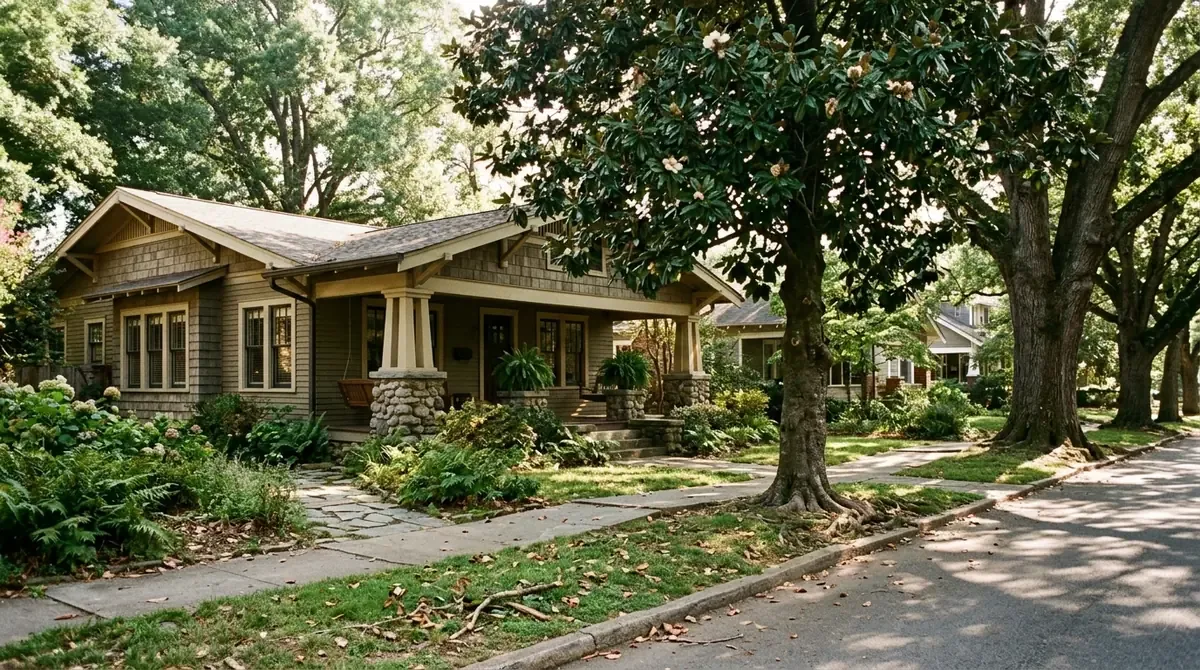
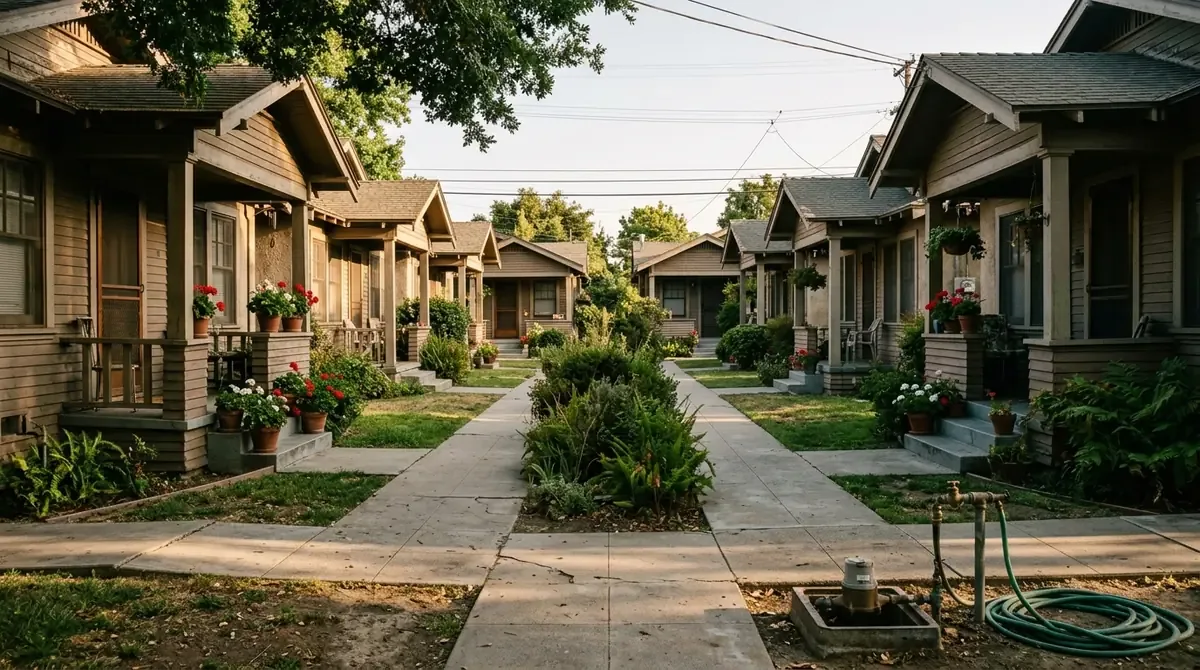
California Heights is a former streetcar suburb of bungalow-style homes with a walkable business strip along Atlantic Avenue in Long Beach.

Licensed · Bonded · InsuredSame-Day ServiceUpfront Free EstimatesServing California Heights

Why California Heights Homes Need Hydro Jetting

California Heights is a former streetcar suburb of bungalow-style homes with a walkable business strip along Atlantic Avenue in Long Beach.

California Heights is built on streetcar-era bungalow plumbing, often original to the 1920s — a real factor in how quickly drains clog and what it takes to clear them for good. Plumbing that was fine for decades starts showing its age here in specific, predictable ways, and knowing the pattern is what separates a fix that lasts from one that doesn't.

Drain Guys services California Heights as part of our coverage across all of Long Beach, CA — same trucks, same equipment, same same-day availability as every other neighborhood we work in.

Why Long Beach Pipes Need Hydro Jetting Specifically

  • Coastal groundwater intrusion in low-lying areas near the harbor and Alamitos Bay can infiltrate cracked or loose-jointed laterals, adding sediment and sludge that snaking can't remove
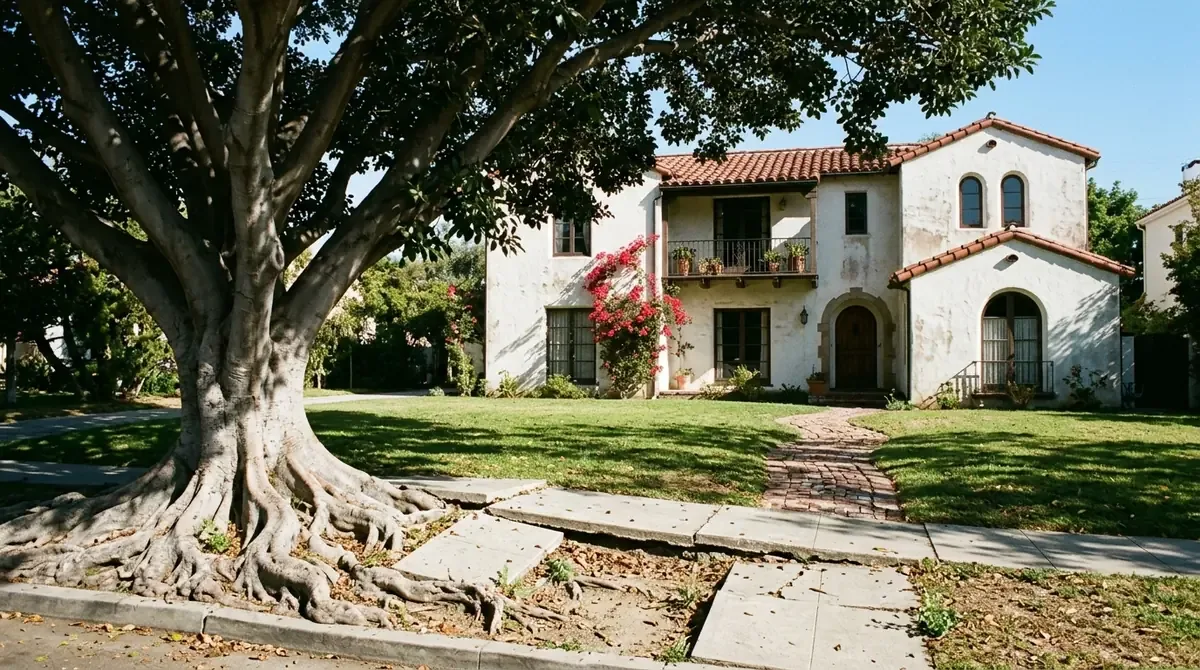
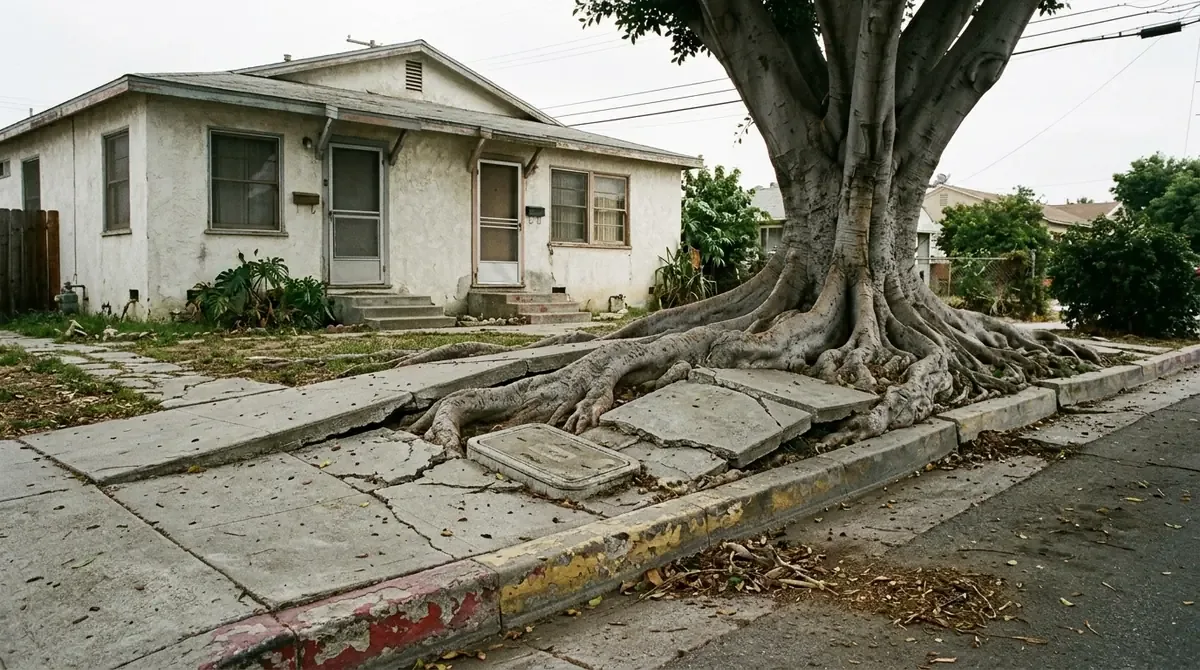
  • A mature urban tree canopy — ficus, magnolia, pepper, and jacaranda planted decades ago — sends fine root hair through pipe joints that regrows within weeks of a simple cable cut
  • Pre-1960s neighborhoods still running original clay tile or cast iron sewer laterals, both of which develop interior scale and joint separation that only a full-diameter jet clears
  • Hard water mineral deposits build up gradually inside older pipe, narrowing the usable diameter long before a homeowner notices a slowdown
  • Older commercial kitchens along Long Beach's dining corridors often have undersized or aging grease lines that need more frequent jetting than newer construction
  • Tight lot lines in neighborhoods like Belmont Heights, Wrigley, and Bixby Knolls mean a neighbor's root system can intrude on your lateral even if your own trees are well clear of the line

What's Actually Going On?

Snaking and hydro jetting solve different problems. Snaking breaks through an isolated blockage; hydro jetting removes what's coated on the pipe wall along the entire run. Here's how to tell which one your drain actually needs:

SymptomLikely CauseWhat We Do
Slow kitchen drain, comes back within weeks of snakingGrease buildup coating the pipe wall, not a single hard clogHydro jetting to strip grease off the full pipe diameter
Recurring backup in the same sewer line every few monthsRoot intrusion or mineral scale narrowing the pipe over timeCamera inspection, then root-cutting or descaling hydro jet
Multiple fixtures slow to drain across the propertySludge and sediment accumulation in the main lineMain line hydro jetting to restore full pipe capacity
Restaurant or commercial kitchen drain slows after each shiftGrease trap discharge and fat/oil/grease (FOG) emulsification failureScheduled commercial hydro jetting for grease trap compliance
Fresh, isolated clog — hair, a single object, first-time slow drainLocalized blockage, not a coating problemCable machine snaking is usually sufficient

How We Handle Hydro Jetting in California Heights

How Hydro Jetting Works

Hydro jetting sends water through a flexible hose into the pipe under professional-grade pressure — typically in the 3,000 to 4,000+ PSI range for residential lines, with heavier truck-mounted units capable of running higher for tough commercial and municipal work. Pressure alone isn't the full story: flow rate, measured in gallons per minute (GPM), is what actually carries the loosened debris out of the line and determines how much material the jet can flush per pass. Most competitor sites in Long Beach quote a PSI number and stop there — we think that's half the picture. A specialized nozzle at the end of the hose pulls itself forward through the pipe while firing water both ahead and backward at an angle, which cuts through blockages and scours the pipe wall simultaneously. Depending on the job, we run this equipment as a portable jetter for tight residential access or a truck-mounted unit for higher-volume main line and commercial work — the two aren't interchangeable, and matching the right unit to the line size and access point is part of doing the job correctly the first time.

What Hydro Jetting Removes

A cable machine drags a cutting head through a clog and opens a channel roughly the width of the tool — water flows again, but the buildup lining the rest of the pipe stays put. Hydro jetting removes that buildup entirely. Grease-cutting nozzles emulsify and flush out the layered fat, oil, and grease coating common in kitchen lines and restaurant grease traps. Root-cutting nozzles shred fine root hair and root intrusion that's worked through pipe joints, particularly where Long Beach's older clay tile laterals have separated slightly at the seams. The jet also breaks up mineral deposits and scale left by hard water, along with sludge and sediment that settle at the bottom of a sewer line over years. The result is a pipe restored closer to its original diameter and carrying capacity, not just a hole punched through the middle of the blockage.

Hydro Jetting vs. Snaking

Snaking is fast, effective, and often the right call for a single fresh clog — there's no reason to jet a line that just needs a hair clog cleared. But snaking is a spot fix. It doesn't touch pipe-wall deposits, doesn't reliably clear root intrusion beyond the point of contact, and does nothing for scale or sludge. Hydro jetting is advanced drain cleaning that treats the whole pipe, which is why it's the standard recommendation for recurring clogs, grease-heavy kitchen lines, confirmed root intrusion, and main sewer line maintenance. The tradeoff is that hydro jetting costs more upfront and, in some cases, calls for a camera inspection first to confirm the pipe can handle the pressure — which brings us to safety.

Is Hydro Jetting Safe for Older Pipes?

This is the most common hesitation we hear from homeowners in Long Beach's older neighborhoods, and it's a fair question. Modern PVC handles hydro jetting without issue. Cast iron in good condition also handles it well — the pressure clears buildup without damaging sound pipe walls. The real risk is jetting a line that's already structurally compromised: a cracked, bellied, or significantly corroded section of pipe can be made worse by high-pressure water finding an existing weak point. That's why we run a camera inspection first whenever there's any doubt about pipe condition, especially on pre-1960s clay tile or heavily corroded cast iron. If the camera shows a structural problem rather than just buildup, jetting isn't the answer — a trenchless repair or targeted section replacement is, and we'll tell you that plainly instead of jetting a pipe that shouldn't be jetted.

Commercial and Grease Trap Hydro Jetting

Restaurants, cafes, and commercial kitchens across Long Beach run grease trap maintenance on a schedule for a reason — fat, oil, and grease that isn't cleared regularly hardens in the line and eventually causes a backup during service, which is the worst possible time. Hydro jetting is the standard method for commercial kitchen drain maintenance because it emulsifies grease along the entire run instead of leaving a coating that thickens between visits. For businesses that need to stay ahead of local grease trap compliance requirements, we set up recurring hydro jetting on a schedule that matches actual usage rather than waiting for a slowdown to call it in.

Typical Rates

Typical Hydro Jetting Pricing in California Heights

These are general market ranges to help you budget — your exact price depends on line length, access, pipe diameter, and how much buildup or root intrusion the camera finds. Call (844) 213-2779 for a free, specific estimate before any work begins.

ServiceTypical Range
Standard residential hydro jetting$250 – $600
Heavy buildup, root intrusion, or tough commercial jobs$600 – $1,000+
Hidden or hard-to-access cleanout (add-on)+$50 – $200
Emergency / after-hours hydro jetting+$75 – $150
Camera inspection (pre-jetting pipe assessment)$175 – $450

Ranges shown are typical market pricing for reference only, not a quote. Every job gets a free, upfront estimate before we start.

Frequently Asked Questions

What is hydro jetting and how does it work?

Hydro jetting is a high-pressure water jetting method that clears drain and sewer lines using professional-grade equipment in the 3,000 to 4,000+ PSI range, combined with a flow rate (measured in GPM) that carries loosened debris out of the pipe. A specialized nozzle pulls itself through the line firing water forward and backward, cutting through blockages and scouring the entire pipe wall — not just punching a channel through the middle like a cable machine does.

How long do hydro jetting results last?

Because hydro jetting clears the full pipe diameter rather than just the clog itself, results typically last significantly longer than snaking — often a year or more for a residential line without major root intrusion. Lines with active tree root systems nearby may need jetting on a recurring schedule, since roots regrow through pipe joints over time regardless of the clearing method used.

Is hydro jetting safe for older pipes like cast iron or clay tile?

Yes, when the pipe is structurally sound. Hydro jetting clears buildup without damaging healthy cast iron or clay tile. The risk is jetting a pipe that's already cracked, bellied, or severely corroded, which is why we run a camera inspection first on older Long Beach laterals whenever there's uncertainty — if we find a structural issue instead of just buildup, we'll recommend repair rather than jetting a pipe that can't handle it.

Is hydro jetting better than snaking or chemical drain cleaners?

For a single fresh clog, snaking is often enough and costs less. But hydro jetting is the better choice for recurring clogs, grease buildup, root intrusion, and main line maintenance because it cleans the entire pipe wall instead of drilling a hole through one blockage. Chemical drain cleaners are the weakest option of the three — they can corrode older pipe with repeated use and do nothing for root intrusion or main-line blockages at all.

How can I tell if my drain needs hydro jetting instead of snaking?

If a drain slows down again within weeks of a basic snaking, that's a strong sign the pipe has a grease, scale, or sludge coating that snaking didn't touch. Recurring clogs in the same spot, multiple fixtures backing up together, or a history of tree root problems are all signs that call for hydro jetting rather than another round of cabling.

How often should Long Beach homes schedule hydro jetting?

It depends on your pipe age, tree proximity, and household usage, but many older Long Beach properties with mature trees or clay tile laterals benefit from hydro jetting every one to two years as preventive maintenance. Homes with no history of root intrusion or grease buildup may only need it when a specific problem shows up.

Can hydro jetting remove tree roots from my sewer line?

Yes — root-cutting nozzles shred fine root hair and root intrusion that's worked into pipe joints, which is common across Long Beach's older neighborhoods with mature ficus, magnolia, and pepper trees. Hydro jetting clears root growth more thoroughly than a cable cutter, though if roots have physically displaced or cracked the pipe, a camera inspection will show whether trenchless repair is also needed.

Do you offer commercial hydro jetting for restaurants and grease traps?

Yes. Commercial kitchens along Long Beach's dining corridors rely on hydro jetting for grease trap maintenance and FOG (fat, oil, grease) compliance, since grease that isn't cleared regularly hardens in the line and causes backups during service. We set up recurring commercial hydro jetting schedules matched to your kitchen's actual volume.

What does hydro jetting cost in Long Beach?

Standard residential hydro jetting typically runs $250 to $600, with heavy buildup, root intrusion, or tough commercial jobs running $600 to $1,000 or more. Hidden or hard-to-access cleanouts can add $50 to $200, and emergency after-hours service adds roughly $75 to $150. Call (844) 213-2779 for a free, no-obligation estimate specific to your line.

Other California Heights Services

Hydro Jetting in Nearby Neighborhoods

← See all of California Heights and every other Long Beach neighborhood on the Hydro Jetting page

Ready to Get This Fixed?

Same-day service, free estimates, serving California Heights and every Long Beach neighborhood.

Call (844) 213-2779