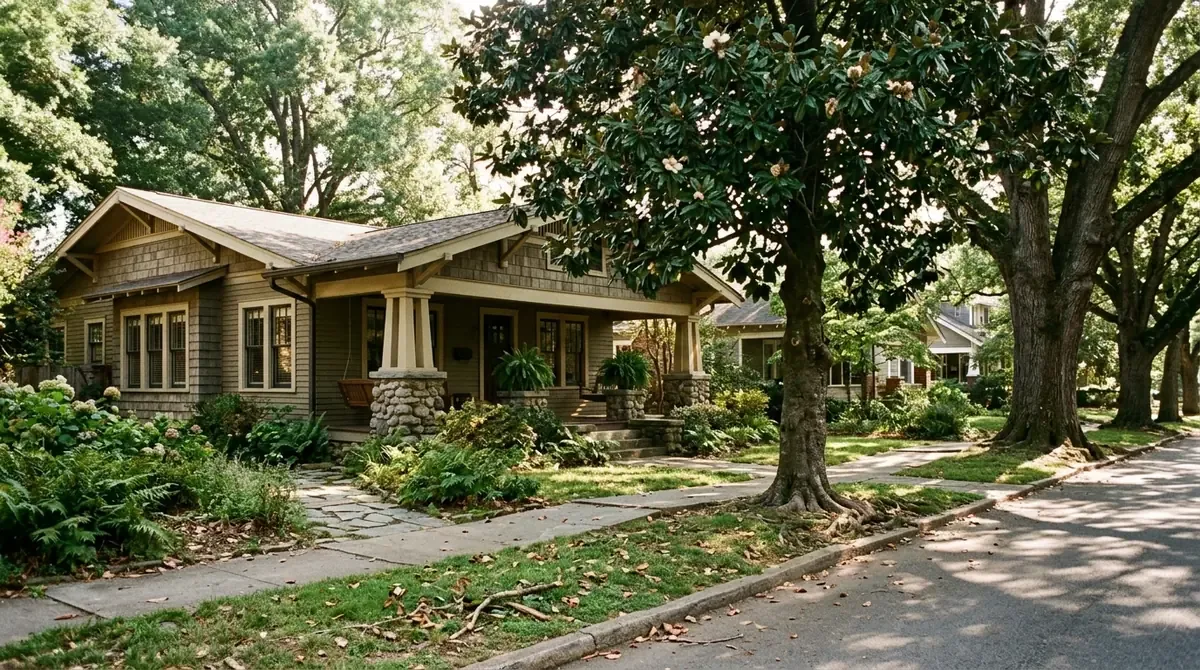
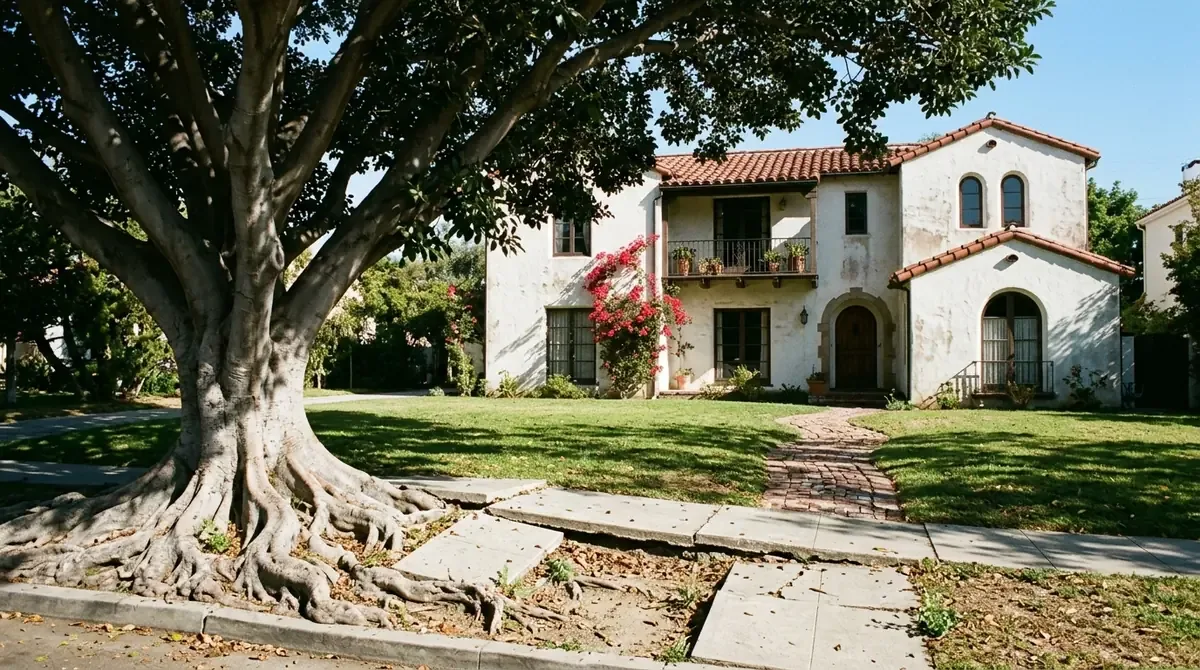
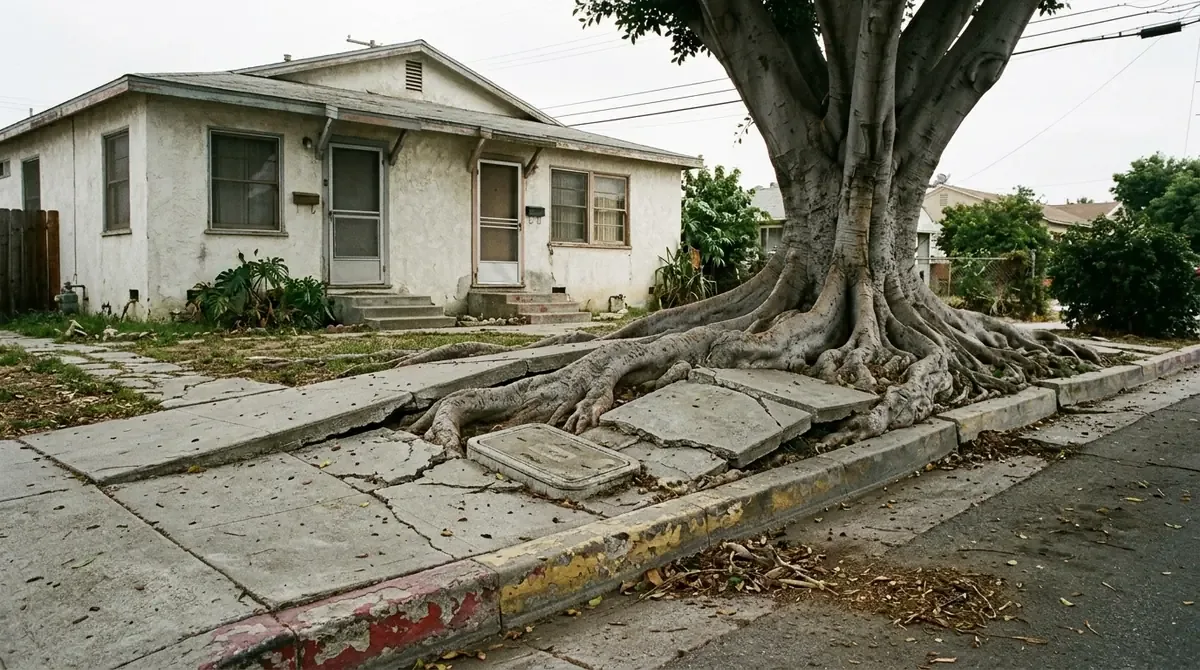
Carroll Park is a historic Long Beach district of large early-1900s homes on wide, tree-lined streets near Downtown.
Carroll Park is built on larger early-1900s homes with longer original sewer laterals — a real factor in how quickly drains clog and what it takes to clear them for good. Plumbing that was fine for decades starts showing its age here in specific, predictable ways, and knowing the pattern is what separates a fix that lasts from one that doesn't.
Drain Guys services Carroll Park as part of our coverage across all of Long Beach, CA — same trucks, same equipment, same same-day availability as every other neighborhood we work in.
Floor drains fail differently than a sink or tub drain, and most homeowners have never had to think about them until they stop working. Here's how to read what your floor drain is telling you before you call:
| Symptom | Likely Cause | What We Do |
|---|---|---|
| Garage floor drain draining slowly or not at all | Sediment, oil, leaves, and debris packed into the trap and lateral line | Drain snaking or hydro jetting of the floor drain line |
| Sewage smell coming from a floor drain | Dry trap primer letting sewer gas rise up through the P-trap | Refill the trap, inspect and repair the trap primer line |
| Floor drain backing up during or after heavy rain | Overloaded storm/sewer line or blocked area drain sending water back through the lowest fixture | Camera inspection, mainline clearing, backwater valve evaluation |
| Odor from a floor drain that's rarely used | Trap primer dried out from evaporation with no water going down the drain | Pour water to reseal the trap; if it recurs, service the trap primer |
| Standing water pooling around a floor or area drain | Clogged drain grate, collapsed or bellied lateral pipe, or undersized drain for the water volume | Camera inspection to locate the obstruction, hydro jetting or pipe repair |
A floor drain isn't just a smaller version of a sink drain. It's a low-point fixture set into a garage slab, basement floor, or utility room, built to catch water that would otherwise pool on the ground — a washing machine overflow, a water heater leak, rain blown in through a garage door, or just a hose-down of the floor. Because it sits at the lowest point of the room and often the lowest point of the whole drainage system, it collects everything that gravity sends its way: grit, sediment, leaves, pet hair, motor oil, paint residue, and dust that would never make it into a bathroom sink. Over time that debris settles in the trap and the horizontal run leading out to the lateral line, narrowing the pipe until water sits on the surface instead of draining through. In older Long Beach properties, floor drains were often plumbed in cast iron or clay tile decades ago, and that debris buildup combines with scale and, in some cases, root intrusion, to choke a line that a kitchen or bathroom drain would never see.
Every floor drain has a P-trap underneath it, and that trap needs to stay filled with water to block sewer gas from rising up into the garage or basement. The problem is that floor drains are used infrequently compared to a sink or shower, so the water in that trap evaporates over weeks or months with nothing refilling it. That's what a trap primer is for — a small device, usually tied into a nearby water line or a dedicated primer valve, that periodically sends a small dose of water down to the floor drain to keep the trap sealed. When a trap primer fails, isn't installed, or the connecting line gets clogged or disconnected, the trap dries out silently, and the first sign is a sewage odor that seems to come from nowhere. We test and diagnose whether a floor drain has a working trap primer, refill and reseal traps that have dried out, and repair or install trap primer lines so the odor doesn't come back every few months.
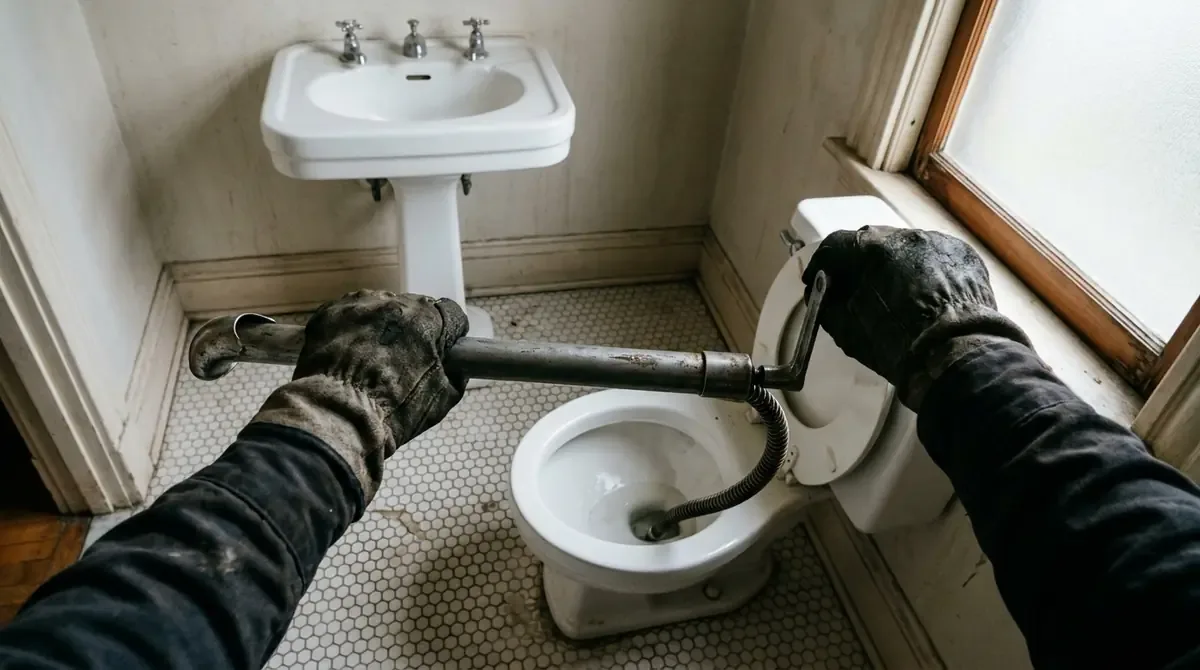
Garage floor drains take a beating that indoor drains never do — motor oil, coolant, brake dust, driveway grit, leaves tracked in on tires, and whatever gets hosed off during a car wash all funnel straight down. Utility room and basement floor drains handle washing machine discharge, water heater condensate and pressure-relief overflow, and sump pump backup, which means lint, mineral scale, and sediment build up in the trap and line over time. We clear both with drain snaking for a straightforward clog and hydro jetting when buildup has narrowed the pipe or keeps coming back. Because these drains often sit under a removable grate with limited access, we come prepared to pull covers, clear the trap by hand where needed, and run a camera down the line when a garage or utility drain has clogged more than once — most of the time it's grease, oil, or mineral scale, but recurring clogs can also mean the lateral line itself has settled or cracked.
Floor drains and area drains sit at the lowest point of the property, which means when the sewer main or storm line is overloaded during a heavy Long Beach rain event, they're the first place water comes back up rather than the first place it goes down. If your garage or driveway area drain backs up every time it rains hard, that's rarely a coincidence — it usually points to a partially blocked lateral line that can handle normal flow but not a surge, an area drain that's silted in, or a main sewer line with root intrusion that only shows its limits under load. We run a camera inspection to find the actual restriction rather than guessing, hydro jet the line to restore full flow capacity, and where backups are a repeat problem, we evaluate whether a backwater valve makes sense to physically block sewage from being pushed back up through the floor drain during the next storm.
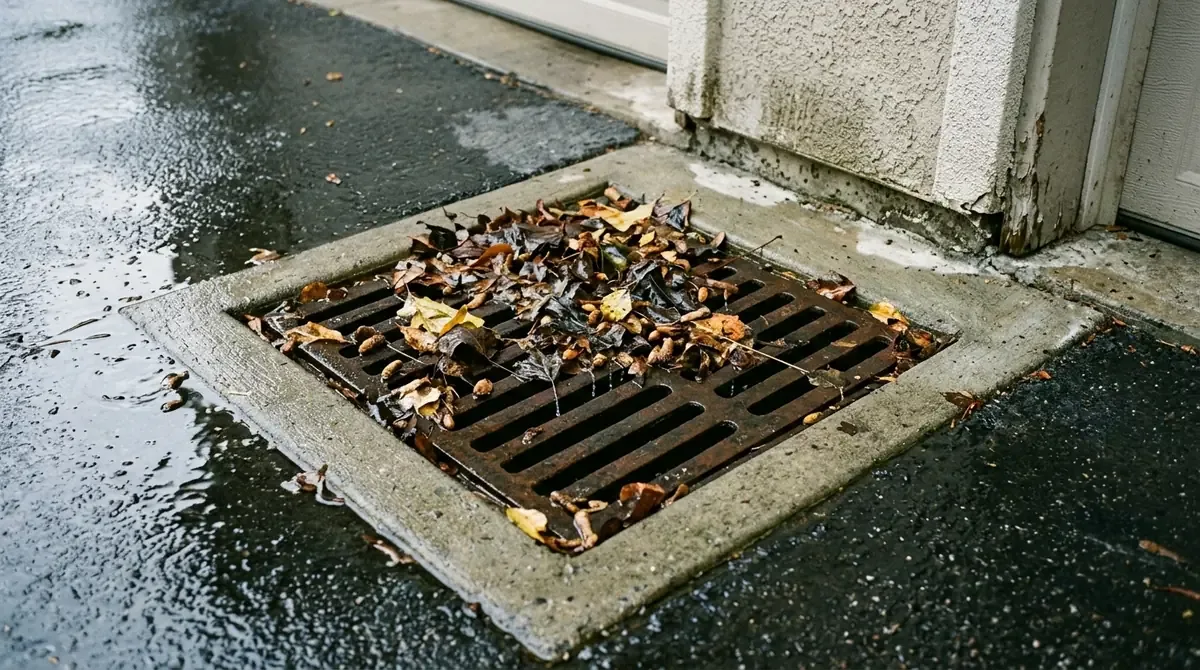
Area drains — the grated drains set into driveways, walkways, and side yards to carry surface water away from the foundation — get treated like an afterthought until they stop working and water starts pooling against the house. Leaves, dirt, and yard debris are the most common cause of a slow area drain, but a drain that backs up rather than just draining slowly usually means the underground line running from the drain to the street or storm connection has silted in, bellied, or been intruded by roots. We clear the debris at the grate first, then snake or jet the connecting line to restore flow, and if the same area drain keeps backing up season after season, we camera the line to find out whether it's a drainage design issue or a pipe that needs repair.
These are general market ranges to help you budget for floor drain, garage drain, and trap primer service — your exact price depends on access, how far the clog sits from the drain, and whether hydro jetting or a camera inspection is needed. Call (844) 213-2779 for a free, specific estimate before any work begins.
| Service | Typical Range |
|---|---|
| Floor drain snaking (garage, utility room, or area drain) | $150 – $300 |
| Hydro jetting a floor drain / area drain line | $300 – $450 |
| Trap primer diagnosis, refill, or repair | $150 – $325 |
| Camera inspection of a floor drain lateral | $175 – $400 |
Ranges shown are typical market pricing for reference only, not a quote. Every job gets a free, upfront estimate before we start.
Almost always it's a dry trap primer. The P-trap under the floor drain is supposed to stay filled with water to block sewer gas, but because garage drains are used so rarely, that water evaporates over weeks and the trap stops sealing. Pouring a bucket of water down the drain will often fix the smell temporarily; if it keeps coming back, the trap primer line itself needs to be inspected and repaired. Call (844) 213-2779 if the odor persists after refilling the trap.
A trap primer is a small device connected to a nearby water line that periodically sends a dose of water down to a floor drain's P-trap to keep it sealed against sewer gas. It dries out when the primer valve fails, the connecting line clogs or gets disconnected, or the drain simply isn't used often enough for the trap to stay full on its own. A failed trap primer is the single most common cause of a garage or basement floor drain smelling bad with no clog present.
Start by removing the grate and clearing any visible debris by hand. Try a plunger sealed tightly over the drain opening, followed by hot water. A baking soda and vinegar flush can help with light buildup. If the drain is still slow or not draining after that, a plumber's snake run down the trap is the next step — but if the clog is deeper in the lateral line or keeps returning, DIY methods won't reach it and professional snaking or hydro jetting is needed.
Chemical drain cleaners are designed for the shorter, smaller-diameter pipes under a sink, not the longer horizontal runs typical of floor drains. On a floor drain they often sit and pool rather than reaching the actual blockage, which means prolonged contact with the pipe. In Long Beach's older cast iron and clay tile floor drain lines, that extended chemical exposure accelerates corrosion and pipe damage rather than clearing the clog.
A floor drain sits at the lowest point in the room, so when the sewer main or storm line downstream is overloaded during heavy rain, it's the first fixture where water gets pushed back up rather than draining away. Recurring rain-triggered backups usually mean a partially restricted lateral line, a silted-in area drain, or root intrusion that only becomes a problem under storm-level flow. A camera inspection identifies the actual cause, and in repeat cases a backwater valve can physically stop sewage from backing up through the drain during the next storm.
A garage, utility room, or area drain that sees regular use should be checked annually, ideally before the rainy season, since sediment, oil, and debris accumulate faster in floor drains than in sink or tub drains. Trap primers should be tested at the same time, since a dry trap is often mistaken for a clog when it's really just an odor issue with a simple fix.
Yes — Drain Guys offers same-day floor drain, garage drain, and area drain service across Long Beach, including trap primer repair and emergency response for rain-triggered backups. Call (844) 213-2779 to check current availability in your neighborhood.
Same-day service, free estimates, serving Carroll Park and every Long Beach neighborhood.
Call (844) 213-2779